


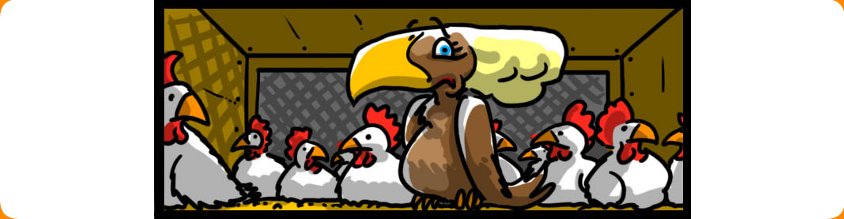
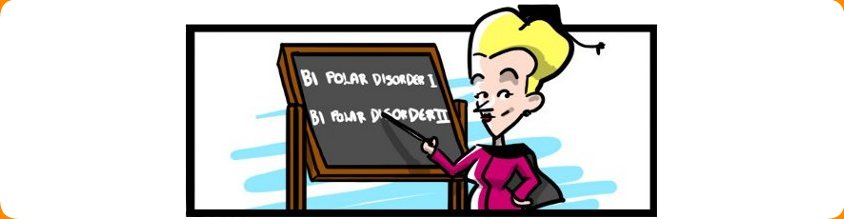
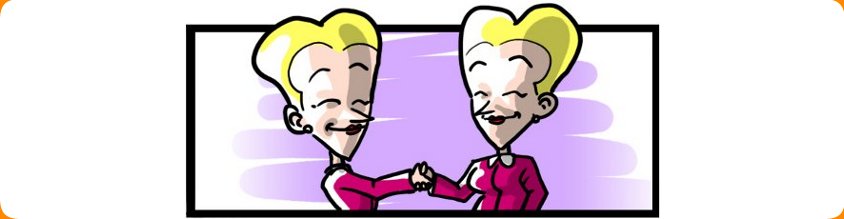
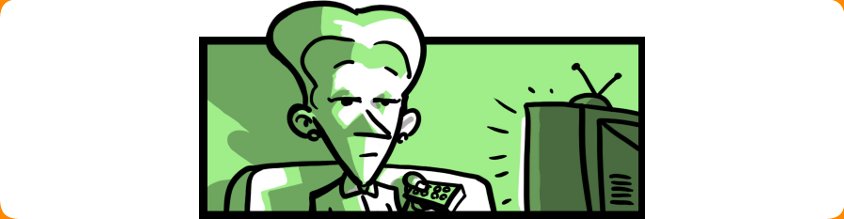


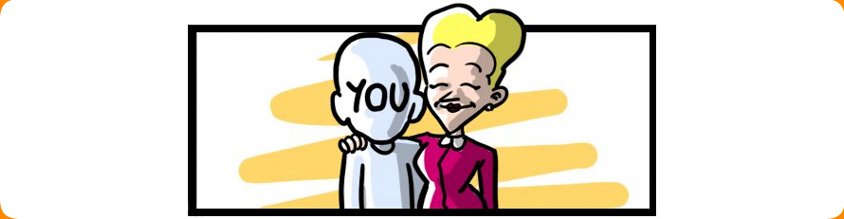






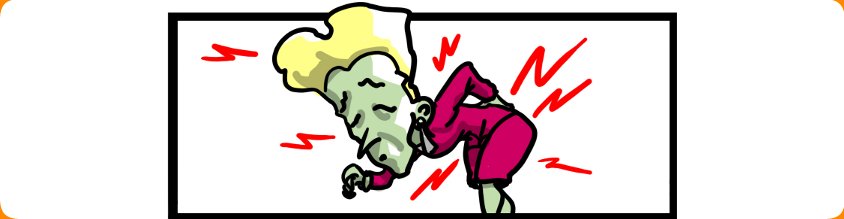


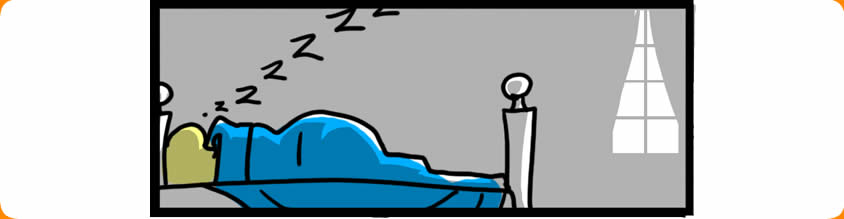
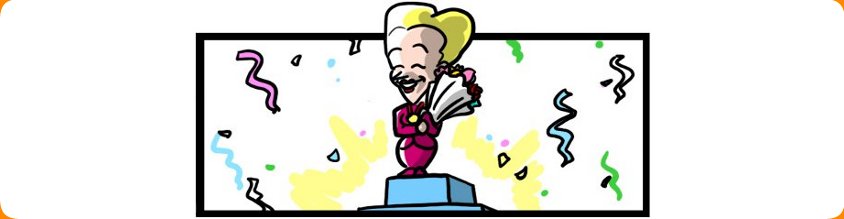

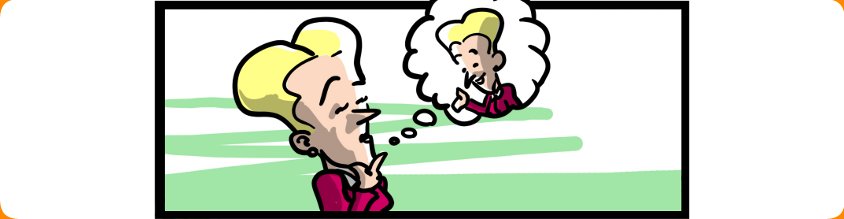





A horrible thought came to me in a flash while I was in between sleep and awakeness one morning: what if I was attached to my bipolar disorder [BPD]? The horrible part of it was not so much the physical attachment (i.e. the fact that my biology is such that BPD is a life-lomg condition for me) but rather the psychological side of it (i.e. the fact that I might in some way be clinging to my BPD). I wish it had but that thought would NOT go away...
>>> read more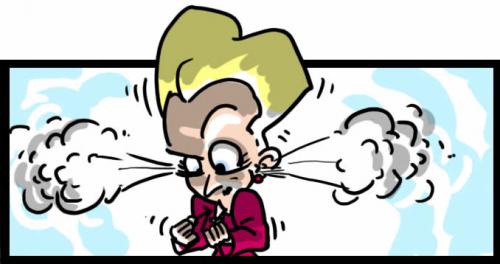
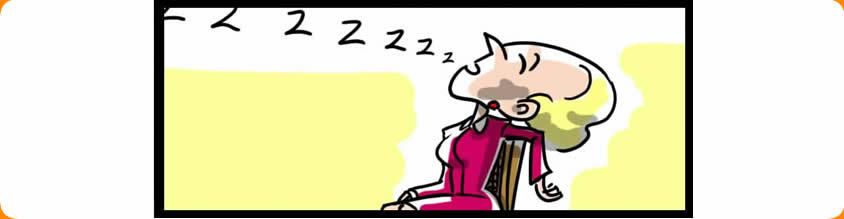
Like all people who live in Bi-Polar Land (i.e. all of us who have Bipolar Disorder Type 1 or Type 2), sleep is very important to maintaing our stability. Because of this I read with interest anything I come across that 'sleep specialists' write about getting a good night sleep. I wish I didn't....
>>> read more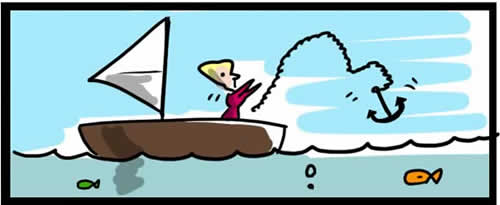
After a second relapse and a stint of home hospitalisation, I am finally feeling better. It appears the new drugs regime is working. What I mean by 'working' is that it is giving me sufficient biological/physiological stability for me to access the sum total of my resources and experience. To me that's what drugs are for: they give me back ME.
>>> read more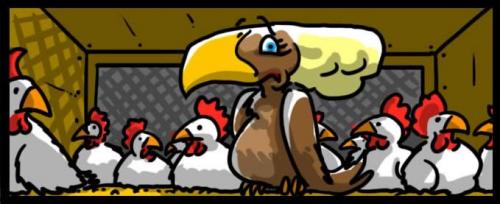
Whenever I have the opportunity to spend time with people who operate in the 'real' world, I have noticed that I always feel a strange mix of emotions afterwards. Following yesterday's BBQ organised by my hubby's work colleagues (a splendid bunch of people) today is no exception.
Here is my attempt at identifying those various emotions so that I am not left 'holding' a slightly painful and nauseating brew inside myself. I feel:
>>> read more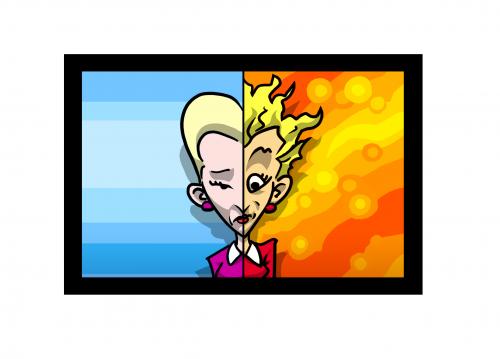
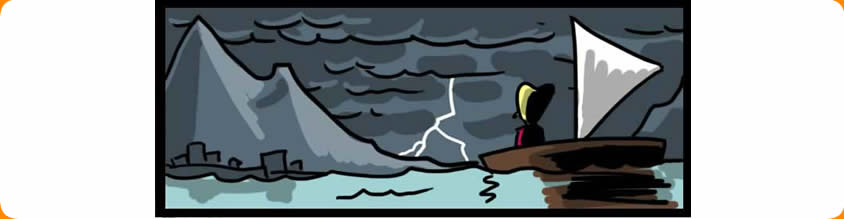
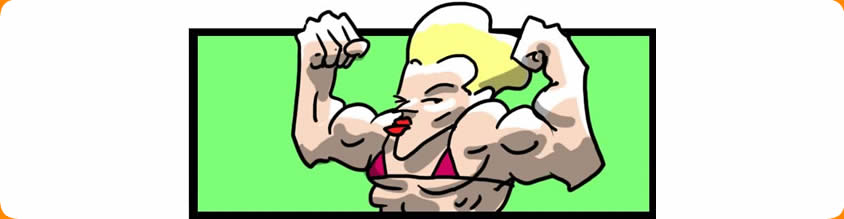
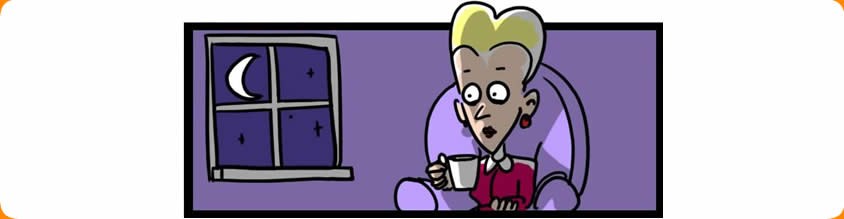
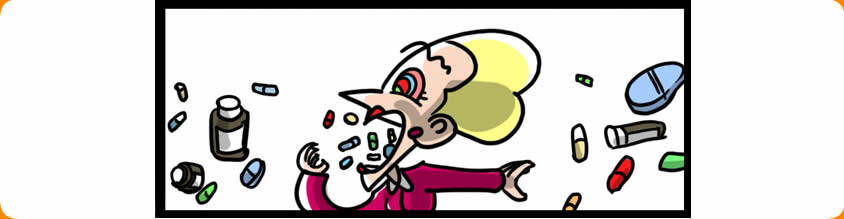
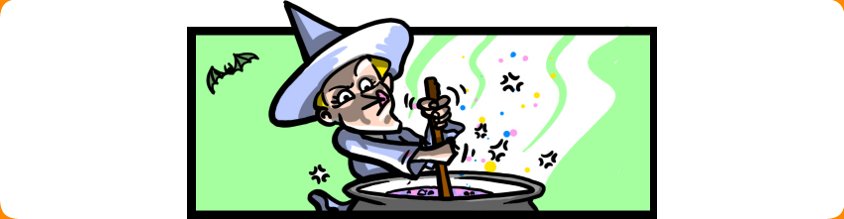
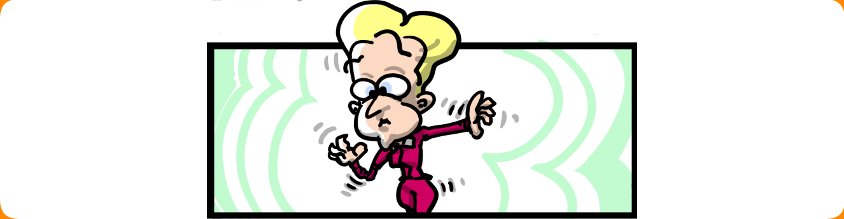
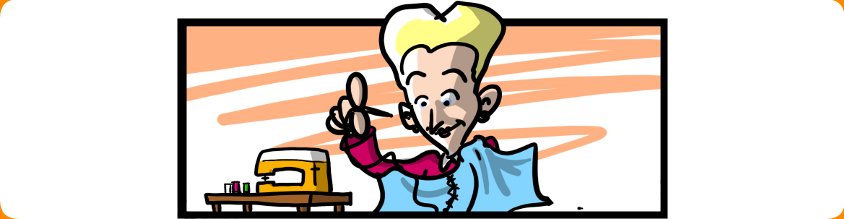
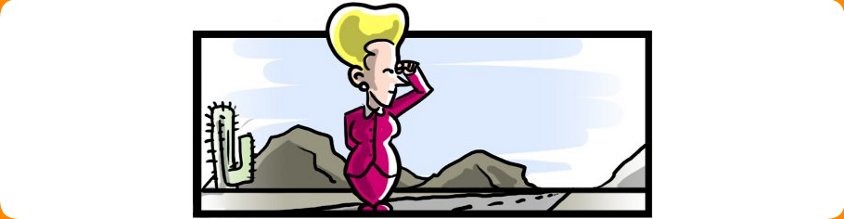
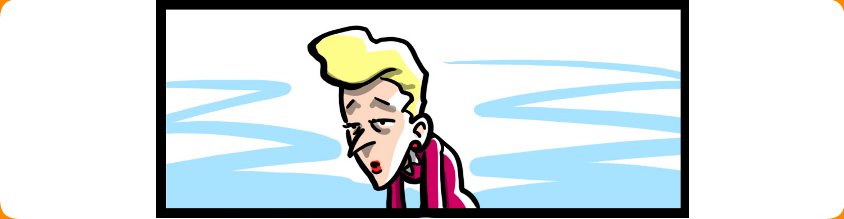
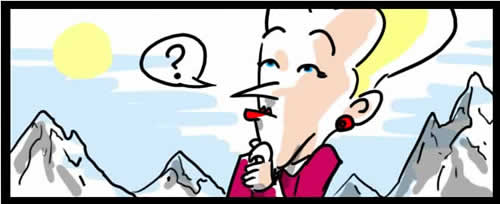
I have this urge to write. The trouble is, I haven't a clue what I want to write about. It feels like an itch I can't scratch! When this crazy situation occurs, the best way I have found to deal with it is to let Batty speak. Batty is my very own BPD - see her above? I do this by continuing to type and seeing what happens..
>>> read more
When we think 'Bi-Polar Disorder sufferers' we usually think of ourselves, those of us who Live in Bi-Polar Land (whether it is in the Mountains of BPD I or the High Plateaux of BPD II). We must never forget that our family (and close friends) suffer our illness too.
>>> read more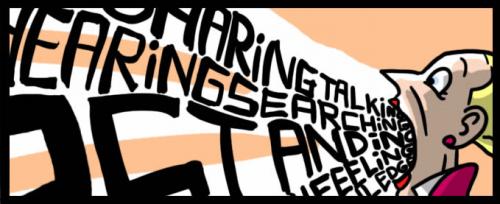
We speak, and we speak some more. Some of us even listen. We use English to communicate so it is reasonable to assume that we understand each other. In 'normal' circumstances we don't anyway but Bi-Polar Land goes one step further: it turns some part of what we say into a foreign language that requires translation.
Here are some of the most common examples:
>>> read more
As I was sitting in bed, waiting for my brain and my body to get used to the higher dose of medication my psychiatrist and I agreed I should go on, a thought struck me. I am pretty sure it's not brilliant nor is it original but it fills a gap for me in the way I think of my Bi-Polar Disorder (BPD II).
>>> read more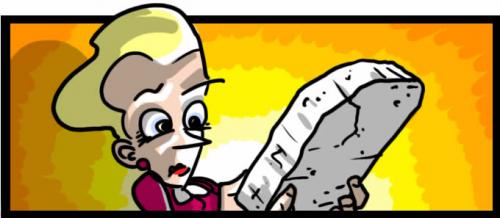
I am very proud to feature a new guest writer this month, Kitty Holman who writes extensively on nursing issues and nurse training.
Kitty's article contains so much wisdom that I wish it were passed on throughout the nursing profession as compulsory reading in replacement of the many outdated 'tablets of stone' currently addressing the treatment of so-called mental patients. Thank you Kitty.
>>> read more

 Copyright © 2000-2024 Gabrielle Blackman-Sheppard, unless otherwise stated. Copyright ownership of all caricature illustrations belongs to Greg Blackman. All rights reserved.
Site built by Silicon Meadow & hosted by Origin Services